PC Slower Than It Used to Be?
A free scan shows the junk files, broken settings and background clutter dragging Windows down - then fixes them in one click.Free scan · Windows 10 & 11Outdated Drivers Are Slowing You Down
One free scan finds every outdated or missing driver and matches the right update for your exact hardware.Free scan · exact hardware matchSpecifiction is reader-supported. When you buy through links on our site, we may earn an affiliate commission. As an Amazon Associate I earn from qualifying purchases. Learn more
Protect a sound effects project by keeping a record of each sound, the source and license that covers it, and the version of the terms in force when you obtained it. Before delivery, check that the license covers your actual use, save proof, and document any human-created work separately from AI-generated material.
Build A Rights Record Before You Edit
Create one entry for every effect in the project, including effects you generate, download, record, or receive from a client. For a game scene, that might mean separate entries for footsteps, a door, and an ambient bed; for a podcast, an impact, room tone, and transitions. Record the file name, source, acquisition date, intended use, and the license or terms that apply.
| # | Preview | Product | Price | |
|---|---|---|---|---|
| 1 |

|
Authentic Sound Effects, Vol. 1 | $3.47 | Buy on Amazon |
| 2 |

|
101 Digital Sound Effects: Sounds of Nature | $9.89 | Buy on Amazon |
| 3 |
|
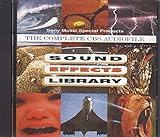
Sound Effects Library | $7.85 | Buy on Amazon |
| 4 |

|
75 Spectacular Sound Effects, Vol. 2 | $9.99 | Buy on Amazon |
As an Amazon Associate I earn from qualifying purchases.
The Tool Desk
Outbyte PC Repair FREEClear out junk files and repair common Windows errorsFree Scan →Outbyte Driver Updater FREEFix the driver behind crashes, sound loss and screen glitchesFind Drivers →- Save the receipt, license certificate, download record, or a dated copy of the applicable terms.
- Record whether the project is personal, commercial, client work, a game, a video, or another production. Do not assume permission for one use covers another.
- Keep original source files and edited versions identifiable. Note which layers you created, arranged, or substantially changed.
Choose A Source That Fits The Project
These sources publish information relevant to sound effects projects, but the available details do not establish every use case or license condition. Compare the stated rights, then read the vendor’s current terms for the specific project and delivery before relying on a sound.
| Source | What Is Established | What To Verify For Your Project |
|---|---|---|
| AI SFX Lab | Generated effects are offered for commercial use under its Commercial Use Terms. Paid users can download premium-quality generated effects in WAV, MP3, and FLAC. | Check the Commercial Use Terms for the project type, client delivery, and any limits that apply to your use. |
| AudioHero | It offers more than 300,000 royalty-free music tracks and sound effects. Its stated rights are synchronization rights only; with an active subscription, synchronized sounds may be used without limits on reuse, productions, copies, or worldwide distribution. | Confirm the subscription is active and the use is synchronized within a production. Review the End User License Agreement before downloading or purchasing. |
| Soundrangers | It says it owns the copyright to sounds in its library and offers plans for single or multiple users. | Check which plan and license cover your project, users, and intended distribution. |
| SoundDogs | It offers royalty-free sound effects and music on a pay-only-for-what-you-use basis, and says it can license effects and music on behalf of partners for commercial products. | Check the specific sound’s license and whether the rights cover your commercial product and distribution. |
| TunePocket | It offers music, sound effects, and audio tools for personal or commercial content, downloadable proof of licensing, and support for monetized publishing. It states that its catalog has more than 14,000 royalty-free tracks and sounds, with unlimited downloads and a lifetime license. | Save the downloadable proof and check the current license terms for the exact project and delivery. |
Clear Rights Before Using Voices Or Samples
If an effect contains an identifiable person’s voice or a sample supplied by someone else, get the relevant person’s consent or the sample owner’s permission, and check the platform terms. A sound being available in a library or generated by a tool does not, by itself, establish permission for every use. For client work, record who supplied each source and who is responsible for securing permission.
Shopping ad
- Vol.
- Sound
- 1 US
Document AI And Human Contributions
The U.S. Copyright Office says material generated entirely by AI is not copyrightable, prompts alone do not make a person the author, and only human-authored parts of a mixed work can be protected. If you apply to register a work containing more than a minimal amount of AI-generated material, disclose it and describe the human author’s contribution. Read the Copyright Office’s AI report information.
For a project with generated effects, keep a simple contribution log: identify the generated files, then note human-authored elements such as original recordings, editing, arrangement, or other creative work. Do not describe prompts alone as authorship. This record helps explain how the finished project was assembled; it does not determine whether a particular contribution qualifies for protection.
Free tools Windows power users keep installed
One-click scans. No signup required.
Quick Recap
Shopping ad
Shopping ad
Shopping ad
Run A Release Check Before Delivery
- Match every effect in the final timeline or game build to its rights record.
- Check each license against the actual output: for example, an effect synchronized in a video, a sound used in a game, or a client deliverable. Resolve any terms that are unclear with the vendor before release.
- Confirm permissions for identifiable voices and third-party samples, and retain the evidence with the project.
- Include required credits or disclosures if the applicable license or publishing service calls for them. YouTube requires disclosure of realistic altered or synthetic content that could be mistaken for a real person’s performance using its altered-or-synthetic content label. Check YouTube’s current guidance.
- Archive the delivered mix, source files, rights record, permissions, and license evidence together so the project can be reviewed later.
Product prices and availability are accurate as of the date/time indicated and are subject to change. Any price and availability information displayed on Amazon at the time of purchase will apply.




